Thrifting style is less about collecting the loudest jacket in the store and more about learning what deserves a place in your closet. The best outfits usually start with a good fabric, an honest fit, and one piece that has already lived a little. You do not need a huge budget or a perfectly curated vintage wardrobe. You need patience, a decent eye, and the willingness to try something that looks ordinary on the hanger.
I learned that lesson over years of buying menswear in New York and now sorting through racks in Savannah. A faded chore coat can have more character than a pristine reproduction, but only if the shoulders sit correctly and the fabric still has life. Every stitch has a story.
Start With the Shape, Not the Label
When I walk into a thrift store, I do not begin by hunting for a famous brand. I begin with shape. A relaxed shoulder, a useful jacket length, and trousers with a clean line will carry an outfit much farther than a desirable tag attached to a bad fit.
Try on more than your usual size. Vintage garments often use different grading standards, and older menswear can be generously cut through the chest while narrowing at the waist. A tagged 40 from the 1970s may feel nothing like a modern 40. Pay attention to the actual measurements: shoulder width, pit-to-pit, sleeve length, rise, and hem opening.
For thrifting style that feels current, combine one roomy piece with something closer to the body. A broad 1960s wool cardigan works with straight-leg denim. A boxy military shirt balances well against tapered chinos. The goal is proportion, not a head-to-toe costume. If every item is oversized, you can look swallowed. If everything is trim, the vintage character disappears.
A tailor can rescue simple problems. Shortening sleeves, replacing a missing button, or taking in a waistband can cost roughly $15 to $60 depending on the job and your location. Shoulder alterations are usually expensive and sometimes impossible, so inspect that area before buying.

Learn to Read Fabric and Construction
Fabric tells you what the garment was built to do. Look for dense cotton twill in workwear, substantial flannel in overshirts, and wool with enough weight to hold its shape. A vintage Pendleton shirt, for example, should feel warm and structured rather than thin and limp. On denim, inspect the back of the fabric and the seams for thinning, not just the attractive front fade.
Construction details are useful clues. Union labels can help place a garment in an era, though they are not perfect dating tools. Talon, Scovill, and Lightning zippers appear across many decades, and a metal zipper is not automatically proof that something is old. Check the zipper tape, stitching, lining, and care label together. One detail can mislead you; several details begin to tell a reliable story.
The same rule applies to brands. A vintage Levi's piece can be excellent, but the red tab alone does not tell you whether it is rare or merely well worn. J.Crew, Ralph Lauren, L.L.Bean, and Lands' End have all produced durable garments in different periods. Judge the actual piece in front of you. I have passed on supposedly collectible denim with a blown-out crotch and paid too much for a beautiful wool jacket because I got excited by the label. The jacket was still good, but my judgment was not.
Inspect underarms, cuffs, collars, pocket corners, and the area around the fly. Small stains can sometimes be cleaned; dry rot, persistent odor, and brittle elastic are much harder problems. Hold the garment near a window or bright fitting-room light. Thrifting style gets more rewarding when you learn to spot quality before you fall in love with the story.
Build Outfits Around One Strong Piece
The easiest way to wear vintage without looking dressed for a themed party is to give one item the spotlight. Pair a 1970s suede jacket with a plain T-shirt and dark jeans. Wear a patterned rayon shirt with fatigue pants and simple canvas sneakers. Let a striped rugby shirt sit beside quiet trousers instead of adding three more nostalgic pieces.
Color helps keep the outfit grounded. Earth tones, navy, cream, charcoal, olive, and faded denim are forgiving combinations. If the statement piece is bright orange or covered in a dramatic pattern, repeat one small color elsewhere, perhaps in socks or a cap. You do not need an exact match. A little visual connection is enough.
Shoes set the period more strongly than many people realize. Slim leather loafers can make relaxed jeans feel sharper, while a beat-up pair of New Balance sneakers pushes the same shirt toward a contemporary look. Clean footwear is not mandatory, but worn-out soles and cracked leather can undermine an otherwise strong outfit. Vintage clothing should look lived in, not neglected.
For people shopping across the menswear section, the same principles apply regardless of the garment’s original department. A cropped cardigan, oversized blazer, or wide trouser can work beautifully when the proportions feel intentional. Good thrifting style has room for experimentation.
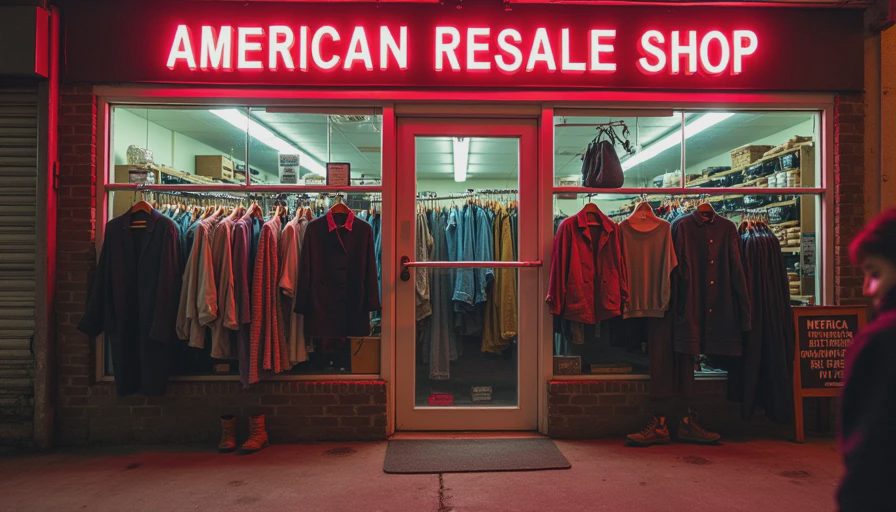
Shop With a Practical Inspection Routine
Before buying, give the garment a two-minute inspection. First, check the overall silhouette in a mirror. Second, run your hands along seams and hems for thinning. Third, test every zipper, snap, and button. Fourth, smell the fabric in a neutral way; smoke and mildew can survive several washes. Finally, estimate the repair and cleaning cost before deciding what the item is worth.
Bring a small tape measure if you shop often. Online listings frequently provide chest and length measurements but omit shoulder width or sleeve length. Ask for those numbers before purchasing from a seller. A $45 jacket that fits immediately is usually a better buy than a $20 jacket needing $80 in alterations.
Do not treat every flaw as a deal breaker. A softened collar, repaired pocket, or visible mending can add character. A torn waistband, moth damage across a large panel, or fabric that crumbles when stretched is a different matter. Know whether you are buying a wearable garment, a project, or an object for display.
Make the Wardrobe Feel Like Yours
The point of thrifting style is not to imitate a photograph from 1968. It is to develop a wardrobe that could only belong to you. Keep notes on what you reach for repeatedly. Maybe you prefer chore coats over leather jackets, pleated trousers over jeans, or old athletic sweatshirts with tailored pants. Those patterns are more useful than a list of supposed essentials.
Give new finds time before making them the center of your identity. Wear a jacket around the house, sit down in the trousers, and notice whether the fabric feels comfortable after an hour. The most successful vintage pieces become ordinary in the best sense: they enter your weekly rotation instead of waiting for a special occasion.
Care matters. Air wool and leather between wears, wash denim sparingly, and follow the care label when one exists. Store knits folded rather than hanging. Use cedar or another sensible pest-control method for wool, but avoid cramming garments into a damp closet. A $12 thrifted shirt can last years when treated well, while an expensive piece can be ruined by careless storage.
The Best Finds Are Not Always the Rarest
A great thrift-store wardrobe does not require rare military contracts, designer labels, or a closet full of deadstock. It requires clothes that fit your life. A sturdy cotton overshirt for weekend errands, a wool blazer for dinner, and trousers you can actually sit in are practical wins.
Start with one category you understand. Spend a month comparing denim, or study wool jackets until you can feel the difference between a dense weave and a flimsy blend. Take pictures of labels and construction details. Ask questions without worrying about sounding inexperienced. Most good sellers would rather explain a Talon zipper than watch someone leave with a garment they cannot wear.
That is the pleasure of this work. You find a piece, learn what it is, make a small repair, and give it another chapter. Thrifting style rewards curiosity more than money, and the best outfit is often the one that feels natural before anyone else notices it. Every stitch has a story.



No letters yet — be the first to write.