The First Piece That Started It All
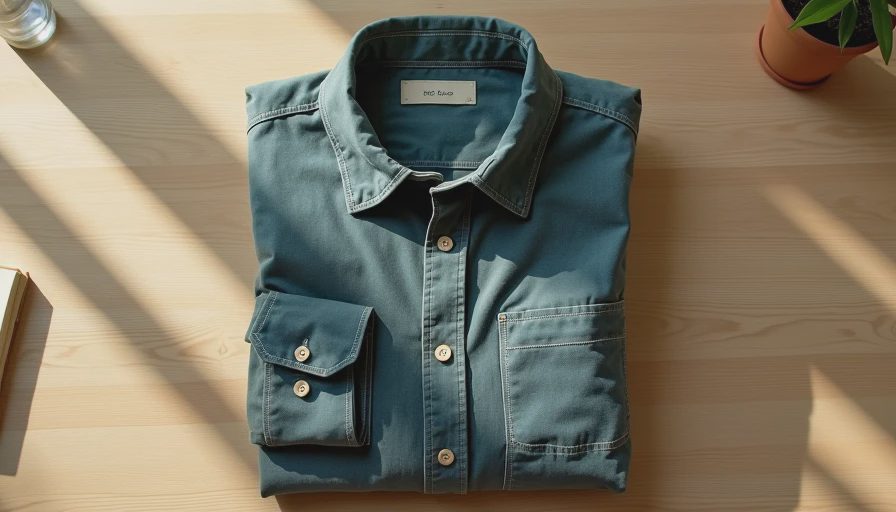
Every stitch has a story—and your first vintage piece gets to write the opening chapter of your own. I still remember mine: a faded olive green chambray work shirt I bought for $12 at a small thrift spot in Savannah shortly after moving here from New York. It wasn’t rare. It wasn’t perfect. But it felt right. I wore it until the elbows went thin, then turned it into a shop rag with fond memories.
If you’re standing at the beginning of this journey—tired of fast fashion but unsure where to start—this guide is for you. No gatekeeping. No $200 investment pieces. Just practical advice from someone who handles thousands of garments and wants you to find something good.
Why Your First Piece Matters
The goal isn’t to build a perfect collection overnight. It’s to find one thing that makes you excited to get dressed. Something that feels better than the usual mall rotation. Something with a bit of history that still works in your real life.
At The Vault, I see this all the time. Hesitant first-timers walk in nervous and leave carrying a bag and a smile. That spark is what keeps people coming back.
What to Look For in Your First Vintage Piece
Start Simple and Versatile
Begin with items that play well with what you already own:
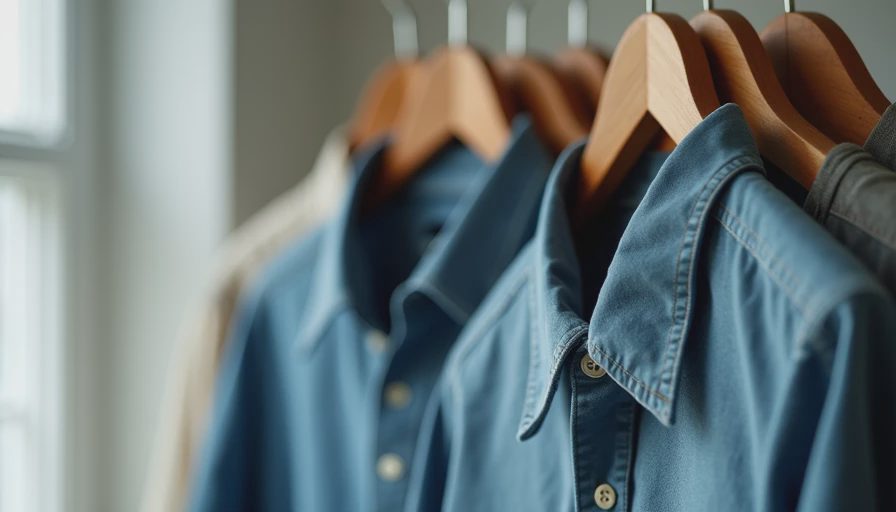
A button-up shirt (chambray, oxford, or lightweight flannel)
A pair of chinos or straight-leg jeans
A crewneck sweatshirt or lightweight knit
A casual blazer or chore coat for layering
Fabric and Condition Red Flags
Good first buys feel substantial but not stiff. Look for:
Natural fibers (cotton, wool, linen) that breathe
Even wear patterns instead of major damage
Strong seams and intact buttons/zippers
No overwhelming odors (a little musty is normal and usually washes out)
The $30 Sweet Spot
You don’t need to spend much. My recommendation for first-timers: budget $20–$40. Enough to get something decent, not enough to stress about it.
What to Avoid as a Beginner
Anything with major structural damage (large tears, missing lining, broken zippers)
Heavy wool suits or formalwear until you know your size and tailoring budget
Items with strong chemical smells that won’t come out
Trendy fast-fashion-era pieces masquerading as vintage
Anything that doesn’t fit reasonably well off the rack (tailoring comes later)
How to Shop Your First Time: A Step-by-Step Plan
Go Midweek if Possible – Fewer crowds, fresher stock.
Bring Measurements – Know your neck, chest, waist, and inseam. Use your phone to check against garments.
Try It On – Even if it looks right on the hanger, put it on. Move around. Sit down. Does it feel good?
Check the Details – Tug gently on seams. Look at the hardware. Read the tag if present.
Trust Your Gut – If you’re on the fence, put it back. There will be other pieces.
Real Starter Pieces I Recommend
The Chambray Work Shirt
My personal starter recommendation. Versatile, durable, looks better with age. Pair it with jeans for weekends or chinos for the office. I still reach for versions of this weekly.
Straight-Leg Chinos or Selvedge Jeans
Higher rise and better construction than most modern options. Look for brands like Levi’s, Dickies, or Carhartt from the 70s–90s.
The Lightweight Blazer
A soft-shouldered unstructured blazer in cotton or lightweight wool can instantly elevate jeans and a tee. Start with navy or earth tones.
The Perfect Crewneck
A well-worn cotton crewneck sweatshirt in a neutral color becomes your new favorite layer.
Building Confidence One Piece at a Time
After that first chambray shirt, I started noticing details I’d never paid attention to before. Zipper brands. Seam construction. How different decades cut their patterns. The learning compounds naturally once you start.
Don’t worry about “doing it right.” Worry about finding things you actually enjoy wearing. The knowledge comes with time and miles on the racks.
From J.Crew Buyer to Vintage Advocate
In my corporate days we chased trends and volume. Now I chase stories and quality that lasts. The shift happened one piece at a time, starting with that $12 shirt that taught me clothes could have soul.
You don’t need eight years of buying experience or a warehouse full of stock. You just need to start. Walk into your local thrift store or vintage shop this weekend. Take your time. Ask questions. The people who work there usually love talking about the clothes.
Your First Piece Awaits
It doesn’t have to be perfect. It just has to be yours. Something that makes you smile when you pull it out of the closet. Something you’ll reach for without thinking.
Spend the $30. Take it home. Wash it gently. Wear it. See how it feels after a few washes and wears. That’s how the journey begins.
And when you find that first piece—the one that makes you understand what all the fuss is about—come back and tell me about it. I still get excited hearing other people’s “first vintage” stories.
The racks are waiting. The clothes have been waiting. Your next favorite shirt is probably hanging somewhere right now, hoping you’ll be the one to give it a new chapter.
Every stitch has a story. Go start writing yours.


No letters yet — be the first to write.