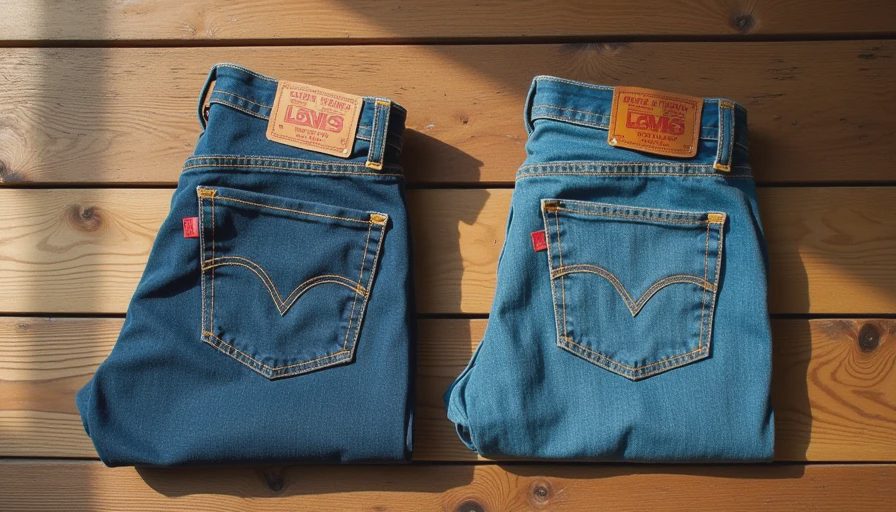
The Denim Rabbit Hole I Never Escaped
I still remember the first pair of true 1970s Levi’s 501s I pulled from a dusty bin at a Starland estate sale. The fabric had that unmistakable heavy yet supple hand, the pockets had a distinct arc, and the red tab just felt right.
Then came the 1980s pairs that looked similar at first glance but told a different story once I started dissecting them.
Levi’s denim is one of the most copied and collected items in menswear. Learning to date them accurately is a foundational skill for any serious vintage digger. Here’s the field guide I wish I had when I started.
The Big Picture: Why the Decade Matters
The 1970s and 1980s represent two distinct eras in Levi’s production as the company scaled, faced competition, and adapted to changing tastes and regulations.
1970s pairs often feel more “old school” — heavier denim, more attention to classic details. By the 1980s, you start seeing cost-saving measures and modernizations while still maintaining high quality overall.
Key Differences: A Side-by-Side Detective Guide
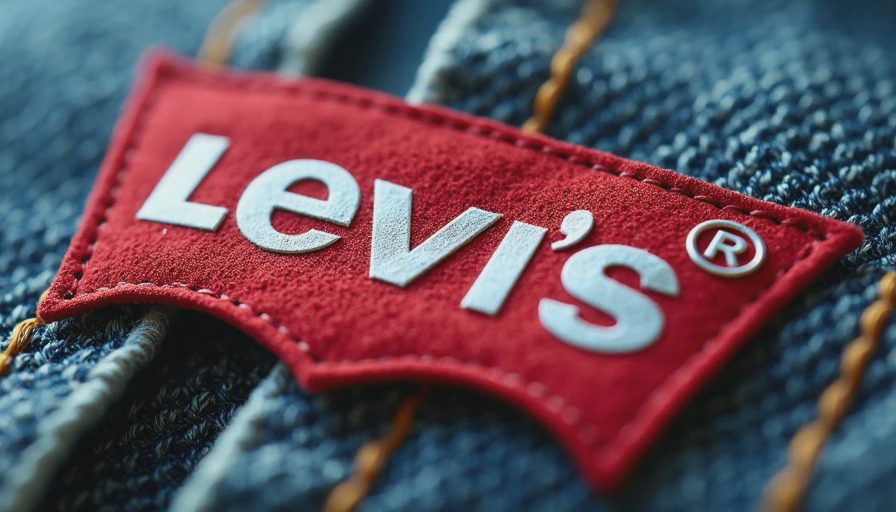
1. The Red Tab — Your Quick Visual Tell
This is the most famous marker, and for good reason.
1970s: The red tab usually has bold, slightly thicker “LEVI’S” lettering with a capital “S”. The tab itself is often sewn into the seam more substantially.
1980s: Lettering becomes slightly thinner and more standardized. You’ll see more variation in tab placement and occasional “Big E” vs “small e” transitions fully complete.
Always check both sides and the stitching around the tab. Repros often get this wrong.
2. Pocket Shape and Arc
This is one of my favorite subtle tells.
1970s: The front pockets have a more pronounced, sweeping arc that curves gracefully toward the side seam. The top edge is often positioned higher.
1980s: Pockets become slightly less dramatic in arc, with minor changes in depth and angle to accommodate changing production methods.
Run your hand inside — the 1970s versions often feel roomier in that classic way.
3. Selvedge and Denim Weight
1970s: Many premium or earlier pairs retain selvedge denim (the clean finished edge with the red line). Denim is typically heavier (14–15 oz range) with a stiffer initial break-in.
1980s: Shift toward non-selvedge (open edge) for mass production efficiency. Denim weight sometimes lightens slightly, with softer initial hand but still excellent durability.
Look at the cuff when rolled — selvedge is a strong 1970s indicator on 501s.
4. Construction and Hardware Details
Buttons and Rivets: 1970s often feature more pronounced copper rivets and specific button shank styles.
Stitching: 1970s arcuate (the double stitching on back pocket) tends to be thicker and more defined.
Care Labels and Tags: As covered in earlier Archive posts, RN numbers and care instructions shift noticeably between the decades.
5. Overall Feel and Fade Potential
1970s denim was built to develop deep, high-contrast fades over years of wear. 1980s pairs fade beautifully too but often with a slightly different character due to changes in indigo dyeing processes.
Real Finds from Savannah Hunts
Last year I found a killer pair of 1970s 501s at Blessingdales. The selvedge was pristine, the red tab perfect, and the fit still spot-on after decades. Cost-per-wear is now absurdly low.
Contrast that with a solid 1980s pair I picked up at the flea market — excellent condition, great for everyday, but missing that extra soul of the earlier decade. Both worthy, but different chapters in the same story.
Common Fakes and Reproduction Red Flags
Modern reproductions love to mimic 1970s details but usually slip up on:
Tab font and stitching quality.
Denim weight and smell (new denim has a distinct chemical note).
Inconsistent aging across the garment.
Trust your hands and the details we’ve covered.
Building Your Levi’s Knowledge Base
Start photographing tags and details of every pair you inspect. Over time you’ll develop an instinct that no guide can fully replace.
Visit The Vault — I’m always happy to walk through pieces together.
Why Obsessing Over These Details Is Worth It
Because when you get it right, you’re not just buying jeans. You’re acquiring a piece of American manufacturing history that develops a unique character with you.
The 1970s pair that’s now my most-worn has faded exactly where my hands go when I reach for my keys or pick up Ivy. That’s the magic.
Every stitch has a story — and on great Levi’s, the denim itself writes new chapters every time you wear them.
Next time you’re knee-deep in a pile at a Savannah thrift store, slow down and check the pockets and tab. Your future self (and your legs) will thank you.
I’ll be doing the same this weekend. Happy hunting.



No letters yet — be the first to write.