Sustainable style through thrifting is not about dressing like you just stepped out of a costume department. It is about buying fewer, better garments, learning what good construction feels like, and giving useful clothing another chapter. A thrifted blazer with a clean shoulder, a pair of jeans that has already softened at the knees, or a deadstock cotton shirt can bring more character than a rack of identical new arrivals.
I learned that lesson slowly. During my years buying menswear in New York, I could talk about mills and production calendars all day, but I still bought the occasional expensive piece simply because the showroom lighting made it look clever. These days, working the racks in Savannah, I trust the garment more than the presentation. Every stitch has a story, and thrifting gives you a chance to read it.
Why Thrifting Belongs in a Sustainable Wardrobe
The environmental case is straightforward: extending the useful life of a garment avoids the need to make, package, ship, and sell another one. That does not make every thrift purchase automatically responsible. Buying a $6 shirt you will never wear is still wasteful, even if it came from a charity shop. The real win comes when a secondhand garment replaces a new purchase and stays in regular rotation.
Sustainable style through thrifting also changes how you judge value. Instead of asking whether a jacket is trending this month, you can ask whether the wool still has spring, whether the seams lie flat, and whether the cut works with clothes already in your closet. A well-made 1990s Pendleton wool shirt, for example, can handle years of weekend wear. A cotton chore coat with sturdy buttons can move from yard work to dinner without requiring a new identity.
There is a financial benefit, too. A secondhand wool overcoat often lands between $40 and $120, while a comparable new coat can run several hundred dollars. The savings are most useful when they let you buy quality rather than simply buy more.
How to Shop With Intention
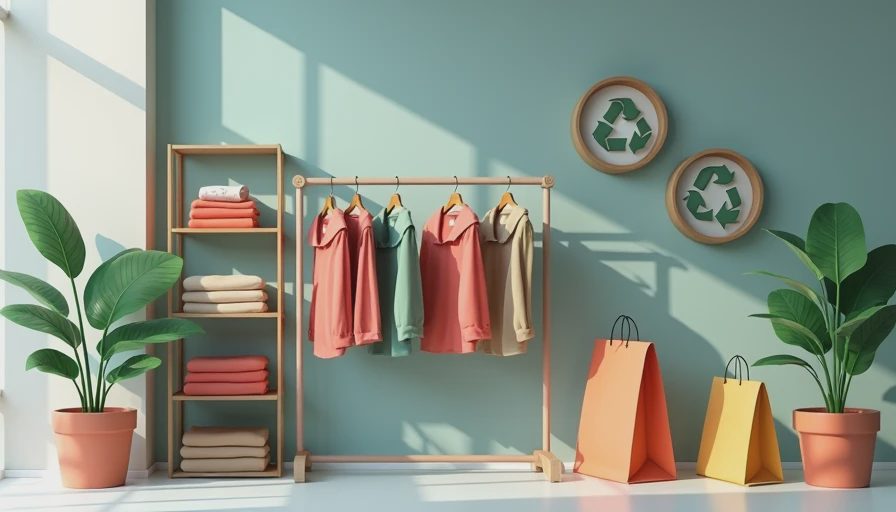
Start at home. Before visiting a thrift store, look at the clothes you actually wear and note the gaps. Maybe your jeans are covered, but you need a lightweight overshirt for warm evenings. Maybe you own three navy sweaters and no brown trousers. A short list keeps the rack from making every loud garment feel like destiny.
Check fabric before brand. Cotton, linen, wool, and sturdy blends usually tell you more than a familiar label. Feel the weight and look closely at high-stress areas: underarms, seat, cuffs, collar, and pocket openings. Hold the garment toward a window to spot thinning fabric or hidden stains. Smell is useful but not decisive; laundering and airing can solve some problems, while mildew and persistent smoke odor are reasons to walk away.
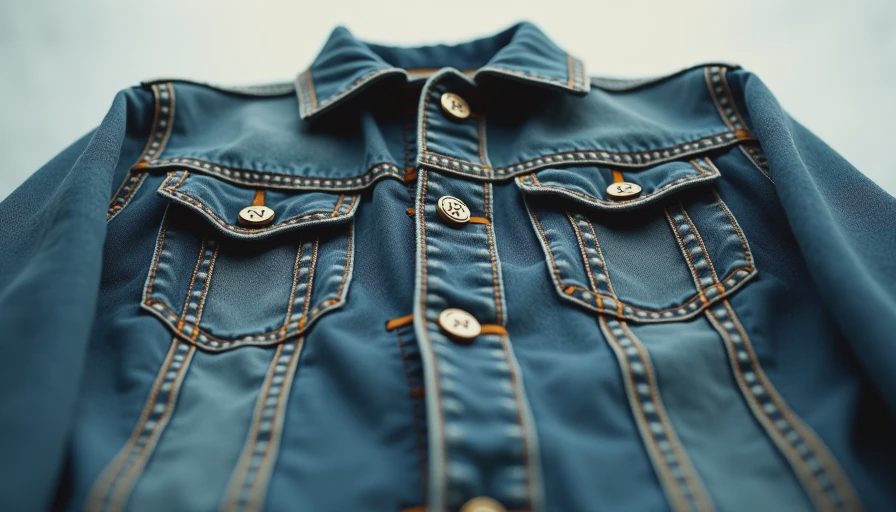
Then inspect the hardware. A metal Talon, Scovill, or RiRi zipper can suggest an older or better-made piece, but it is not a guarantee. Look for clean zipper teeth, secure buttons, reinforced pockets, and stitching that remains even around curves. Union labels, care tags, and country-of-origin information can help date an item, though labels should support your judgment rather than replace it.
Sustainable style through thrifting works best when the garment earns its place. Try it on with the shoes and trousers you already own. A jacket that looks terrific on a hanger may have a shoulder seam that lands awkwardly or sleeves that cannot be altered economically. If the fit is close, a tailor might fix the hem or waist for $15 to $60. If the shoulders are wrong, keep walking.
Building Outfits Without Looking Like a Costume
The trick is contrast. Pair one distinctive vintage piece with familiar modern basics. A 1970s wool sport coat can work with clean denim, a plain T-shirt, and simple leather sneakers. Old military fatigues feel less theatrical beside a fine-gauge sweater and unbranded canvas shoes. You are borrowing a detail from the past, not reenacting an entire decade.
Color helps establish continuity. Faded olive, tobacco brown, cream, charcoal, and washed blue tend to mix easily. If you find a bright western shirt with pearl snaps, let it be the loudest thing in the outfit. Keep the rest quiet and let the fabric carry the interest. Women cross-shopping menswear can use the same approach with proportions: an oversized chore coat looks intentional over a narrow skirt, relaxed denim, or a fitted knit.
Sustainable style through thrifting is also easier when you repeat silhouettes. If you know that you reach for straight-leg pants and cropped jackets, search for those shapes instead of chasing every unusual find. Personal style is not a museum display. It is the pattern that forms when useful pieces keep meeting one another in your closet.
A Practical Quality Check at the Rack
Use this quick sequence when a promising piece appears. First, confirm the price and decide whether repairs still make sense. Second, inspect the entire front and back under clear light. Third, check the lining, crotch, cuffs, and collar for damage. Fourth, test every zipper and snap gently. Fifth, picture at least three outfits using clothes you own. Finally, ask whether you would choose it on a rushed weekday morning.
For denim, examine the waistband, belt loops, inseam, and hem. A little fading is usually character; blown-out fabric is a project. For knitwear, stretch the fabric lightly and look for pills, moth holes, and loose seams. For leather, check for dryness and cracking around folds. A conditioning treatment can help ordinary wear, but it cannot restore leather that has split.
I once paid too much for a beautifully faded chore coat because I was distracted by its brass buttons. The lining was shredded, the sleeves had been shortened unevenly, and the repair bill erased the romance. That mistake now sits in my mental fitting-room mirror. Sustainable style through thrifting requires restraint as much as enthusiasm.
Care Makes the Second Life Last
The most sustainable garment is the one you keep wearing. Wash less often when appropriate, spot-clean small marks, and follow the care label before reaching for hot water. Air wool and denim between wears. Use a cedar block or breathable storage for natural fibers, and avoid sealing slightly damp clothes in plastic bins.
When repairs are needed, start small. Replacing a button, securing a hem, or reinforcing a pocket can cost little and prevent a good garment from becoming unusable. A local tailor can often make a thrifted piece feel custom for less than the price difference between a flawed bargain and a new premium item. Keep spare buttons in a jar; finding a matching one six months later is a small but satisfying victory.
The Long-Term Payoff
Sustainable style through thrifting is a practice, not a shopping aesthetic. It asks you to slow down, learn materials, accept a little imperfection, and buy with a future outfit in mind. You will bring home a few wrong things. I still do. The goal is not a perfect record; it is a wardrobe with fewer disposable decisions and more garments that improve through use.
Next time you browse, take your time with one rack. Read the tags, feel the cloth, check the seams, and imagine the piece after fifty more wears. When the right jacket or shirt appears, you will know why it deserves a place. Every stitch has a story, and thrifting lets you become part of it.




No letters yet — be the first to write.