Thrifting style how to build a wardrobe with history starts with a change in pace. You are not chasing a complete outfit in one Saturday afternoon or trying to recreate a photograph from 1978 piece for piece. You are learning to notice cloth, construction, proportion, and the small evidence left behind by another owner. The reward is a closet that feels collected rather than delivered in a cardboard box. Every stitch has a story.
Start With Your Own Closet
Before heading to the thrift store, pull out the clothes you already wear. Put the reliable pieces on one side of the bed and the abandoned ones on the other. Notice the patterns. Maybe you reach for straight-leg jeans, soft oxford shirts, and jackets with room through the shoulders. Maybe your actual uniform is a black T-shirt, fatigue pants, and an old canvas overshirt. That information is more useful than a list of supposed wardrobe essentials.
Choose two or three practical gaps. A person with plenty of shirts may need better trousers; someone with denim stacked to the ceiling may need a lightweight jacket for spring. This keeps a $12 find from becoming another garment that sits untouched. Take quick measurements from clothing that fits well: waist, rise, inseam, chest, shoulder width, and sleeve length. Vintage sizing is inconsistent, and a tagged 40 from 1965 can fit very differently from a modern 40.
The key idea behind thrifting style how to build a wardrobe with history is personal continuity. New pieces should have somewhere to go when you bring them home.
Learn to Read a Garment Before You Buy It
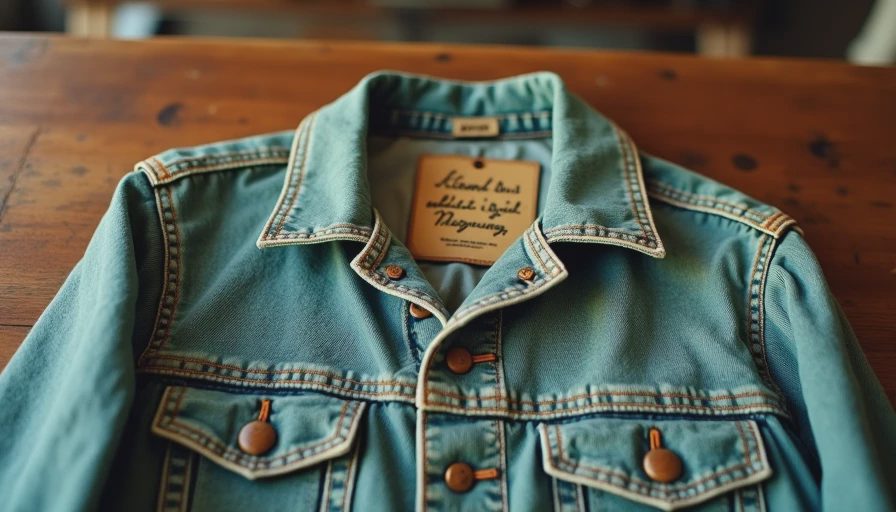
A vintage piece should earn its place through more than an interesting label. Turn it inside out. Look at the seam allowance, stitching density, lining, and stress points. A well-made wool sport coat usually reveals careful canvas or interlining, clean hand-finishing, and a lining attached without a chaotic nest of loose thread. A cotton shirt with felled seams and sturdy buttons deserves more attention than one with a dramatic print but flimsy construction.
Hardware gives useful clues. YKK zippers are common across decades, while Talon, Conmar, and Ideal hardware can help place a garment in an earlier period when paired with the fabric and label. Union labels also provide context, though they are not a guarantee of quality. A union-made jacket can be beautifully built, and it can also be worn through at the elbows after years of honest use.
Check the collar, cuffs, crotch, underarms, and pocket corners first. Small surface wear is often manageable. Dry rot, moth holes around seams, persistent smoke odor, and brittle elastic are harder problems. I once paid too much for a beautiful 1970s suede jacket because I fell in love with the color and ignored a failing lining. The jacket looked magnificent on the rack and expensive in every unpleasant way afterward.
Build Around Texture and Proportion
Good thrifting style how to build a wardrobe with history is less about collecting famous labels and more about combining different eras without looking like a costume. Pair a broad 1950s-style trouser with a simple knit shirt, or wear a 1980s chore coat over a clean modern T-shirt. Let one piece carry the historical weight while the rest of the outfit stays calm.
Texture makes this easier. Indigo denim, brushed cotton, tweed, corduroy, wool flannel, and leather all develop character in different ways. A faded denim jacket can sit comfortably beside contemporary sneakers. A chunky wool sweater can soften the formality of pleated trousers. In warm Southern weather, a cotton poplin shirt and high-rise chinos often do more work than a heavy military jacket, no matter how appealing that jacket looks under fluorescent store lighting.
Proportion matters more than the decade printed on the tag. If a jacket is wide and cropped, balance it with a trouser that has enough volume. If the pants are generous through the leg, avoid adding three more oversized pieces. Try the garment with shoes and layers similar to what you own. The mirror tells the truth more quickly than a fitting-room fantasy.
Shop With a Simple Inspection Routine
Walk the rack once without buying anything. On the second pass, pull pieces in your likely colors and fabrics. Check the label, then the construction, then the condition. Try on anything that survives those three tests. This routine prevents the familiar thrift-store mistake of buying a remarkable object that does not work as clothing.
For jackets, button every closure and raise both arms. For trousers, sit down, check the rise, and inspect the seat seam. For shirts, make sure the collar still has shape and that the placket lies flat. A tailor can shorten sleeves, hem trousers, adjust a waistband, or replace buttons. Alterations often run $20 to $80 for straightforward work, while major shoulder changes or a complete relining can quickly exceed the garment's value.
Thrifting style how to build a wardrobe with history also requires a spending rule. Set a monthly amount, perhaps $50 to $150, and reserve part of it for repairs and cleaning. A $25 shirt that needs $40 of restoration is not automatically a bad purchase, but it should be judged as a $65 shirt.

Combine Vintage Finds With Everyday Clothes
The easiest way to wear history is to give it a modern anchor. Try a vintage Pendleton-style wool shirt with straight jeans and plain leather boots. Wear an old military fatigue jacket over a gray sweatshirt. Tuck a patterned rayon camp shirt into neutral trousers, then leave the rest of the outfit quiet. These combinations respect the original garment without turning your entire body into a period display.
Color can do the same work. Olive, tobacco, navy, cream, faded red, and denim blue tend to bridge decades naturally. If you buy a bright 1960s print, repeat only one color elsewhere rather than matching every detail. Accessories should support the shape: a simple watch, canvas tote, or worn-in belt is usually enough.
Remember that vintage clothing was once ordinary clothing. The person who wore a 1970s work shirt was probably not trying to look archival. They were getting through a Tuesday. Wearing the piece casually is often what makes it feel most convincing.
Care for the Story You Found
Wash less aggressively and read every care label. Air out wool, brush it gently, and store it with room to breathe. Cotton can usually handle a careful wash, but older dyes may bleed, so test an inconspicuous area and use cold water when appropriate. Never assume a delicate lining can tolerate the dryer. Leather needs conditioning, not a kitchen experiment with oil.
Store knits folded and jackets on broad hangers. Empty pockets before storage, repair small holes early, and photograph labels before taking a garment to a cleaner. Those details help you remember what you found and how it was made. A small repair is part of ownership, not evidence that the item failed.
Thrifting style how to build a wardrobe with history becomes easier when you stop expecting every purchase to be perfect. Some finds become weekly favorites. Others teach you about fit, fabric, or your own bad judgment. Keep the lessons, wear the good pieces often, and let the wardrobe grow at a human speed. The best closet is not the one with the oldest clothes; it is the one where each garment has a reason to remain.
Every stitch has a story, and your job is to continue it.



No letters yet — be the first to write.