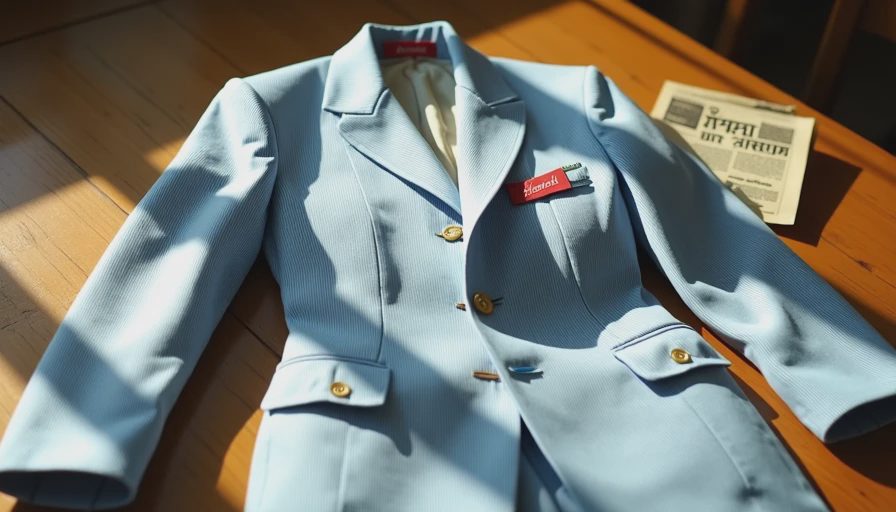
The Day the Suit Showed Up
Every stitch has a story, but some garments make you work for it. This one started with a grainy online listing: a light blue and white seersucker suit, single-breasted, looking properly lived-in but not abused. The seller had included one decent tag photo that caught my eye—faint red script that looked suspiciously like Haspel.
I’d seen enough vintage suits in my years at The Vault and during my J.Crew days to know this wasn’t just another polyester blend. Something about the drape and the way the puckered fabric caught the light said “proper Southern summer engineering.” I hit “Buy Now” faster than I usually allow myself.
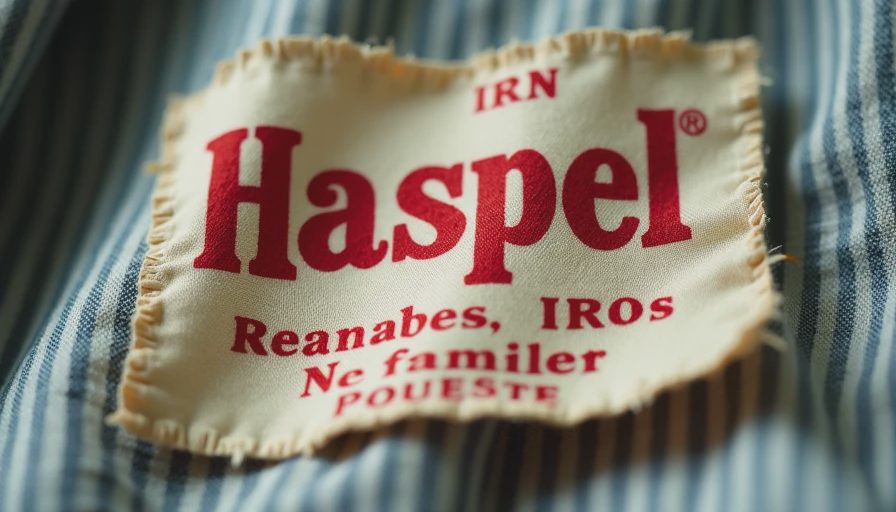
When the suit arrived in Savannah, it was even better than expected—except for the mystery. The tag was partially worn but clearly read “Haspel” with a small union label and some numbers that didn’t immediately make sense. I knew I had to dig deeper.
Why Haspel Matters in Southern Menswear History
Haspel wasn’t just another suit maker. Founded in New Orleans in the early 1900s, they practically invented the modern seersucker suit for the brutal Southern heat. While Northern brands were still pushing heavy wools, Haspel figured out how to make a fabric that breathed, shed wrinkles, and looked sharp even after a long day of client meetings or courthouse steps.
By the 1960s, they were at their peak—supplying stores across the South with that signature puckered cotton that somehow stayed cool when the humidity hit 90%. Their seersucker wasn’t just clothing; it was climate-appropriate armor.
The Detective Work Begins: Reading the Tag Like Evidence
First step: the tag itself. I photographed it under good light and started cross-referencing.
The RN number (Registered Number) pointed to a manufacturer in Louisiana.
The fabric content listed 100% cotton with specific thread counts that matched Haspel’s 1960s production.
A small “Made in USA” mark and the style of the union label narrowed it to 1964–1968.
I spent evenings after putting Ivy to bed comparing it against reference books and online archives. Rachel thought I was crazy until she saw me grinning at my laptop like I’d found buried treasure.
Following the Trail to Macon
The real breakthrough came when I noticed a tiny debossed stamp inside the pocket: “Macon, GA – Haberdashery.” That sent me down a beautiful rabbit hole.
I started calling older gentlemen I knew in the vintage community. One retired tailor in Atlanta remembered a shop called “Macon Men’s Shop” that carried Haspel exclusively for decades. A few newspaper archive searches later (thank you, public library databases), I found ads from 1966 showing the exact suit style.
The shop had closed in the late 70s when the owner retired. The building still stands, now a coffee shop. I drove over one slow Tuesday, suit in the backseat, and sat on a bench outside imagining the men who once bought these suits for summer weddings and Rotary Club meetings.
Construction Details That Give It Away
What makes a genuine 1960s Haspel different from later reproductions?
The Fabric: True seersucker has a pronounced pucker created by weaving tension, not chemical treatment. Run your hand across it and you feel the ridges. The 1960s versions used a heavier cotton than today’s lightweight versions—substantial but still airy.
Jacket Construction: Half-lined with Bemberg rayon, working surgeon’s cuffs, and a center vent. The lapels have that perfect 1960s width—not too skinny, not too wide. Button stance sits just right for a man who might wear it with a tie or open over a polo.
Trousers: Pleated front, higher rise (perfect for tucking in a proper shirt), and cuffs. The side adjusters still work beautifully after all these years.
Hardware: Original Haspel-branded buttons and a metal zipper that still glides smoothly.
I took the suit to my favorite local tailor for minor repairs—replacing two missing buttons and reinforcing a seam. Total cost: $65. Worth every penny.
What This Suit Taught Me About Vintage Hunting
This wasn’t just about owning a cool suit. It was about understanding the chain: mill → manufacturer → regional retailer → customer → me, decades later.
In my J.Crew days we had spec sheets and mill visits. Vintage requires the same attention to detail, just with more detective work and fewer expense accounts. The reward is deeper. You’re not just buying clothes—you’re preserving small pieces of American manufacturing history, especially the Southern kind that understood heat, humidity, and looking put-together without suffering.
How to Track Your Own Mystery Pieces
Photograph Everything – Tags, labels, stamps, construction details. Good lighting matters.
Use RN Numbers – The FTC database is your friend for manufacturer info.
Context Clues – Look for regional retailers, fabric weights, and hardware styles common to specific decades.
Talk to People – Old tailors, vintage shop owners, and long-time locals often know the backstories.
Document Your Findings – Write it down. The story becomes part of the garment’s new chapter.
I now keep a small notebook just for these provenance stories. The Haspel suit has its own page with photos, notes from the Macon trip, and even a scan of the 1966 newspaper ad.
Wearing the History
These days I wear the suit to client meetings in summer, to outdoor weddings, and sometimes just to the flea market when I want to feel a little sharper than my usual board shirt and jeans. Ivy loves the “puffy stripes” and has been known to request “Daddy’s special suit” for tea parties on the porch.
It never feels like a costume. It feels like what it always was: thoughtful clothing made for real life in the South.
The Bigger Picture
In an age of algorithm-driven fast fashion, chasing these stories feels like resistance in the best possible way. Every time I trace a garment back to its origins, I’m reminded why I left the corporate buying world for The Vault and my own small operation.
The clothes that last aren’t just well-made—they carry meaning. They connect us to places, people, and times worth remembering.
The Haspel seersucker suit now hangs in my closet between a 1970s Brooks Brothers tweed and a faded chambray that’s been to more flea markets than I can count. Each one has its story. Each one still has work to do.
And every single stitch still has more to tell.

No letters yet — be the first to write.