The Risky Joy of Online Vintage
I love the thrill of in-person thrifting more than almost anything. But online vintage opens up a much bigger world — especially when you’re looking for specific pieces or can’t get to every flea market.
The problem? You can’t touch the fabric, tug the seams, or try it on. I’ve made some expensive mistakes buying sight-unseen. I’ve also scored some of my favorite pieces from across the country.
These three rules (plus the details behind them) have saved me money and disappointment more times than I can count.
Rule 1: Know Your Measurements Cold
This is non-negotiable.
Key measurements to always check:
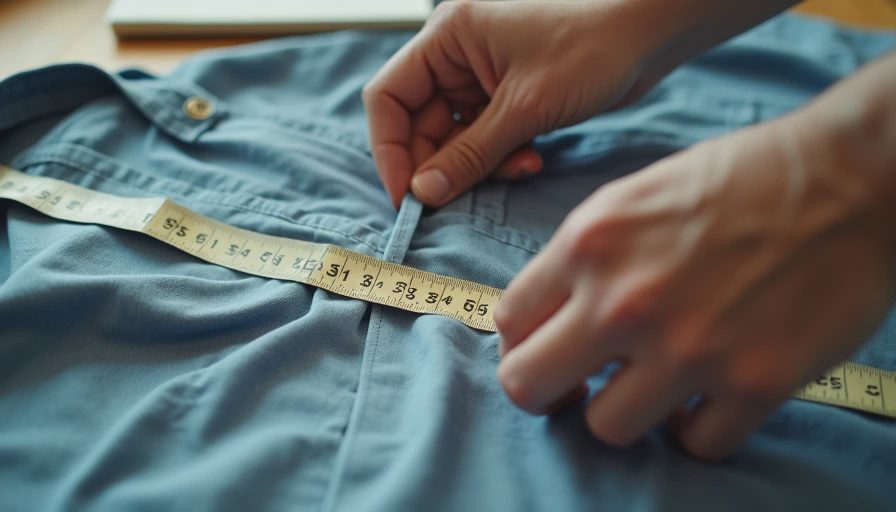
Chest / Pit-to-Pit: Measure across the chest at the underarm (doubled for full circumference).
Shoulders: Seam to seam across the back.
Sleeve Length: From shoulder seam to cuff.
Length: From collar to hem or shoulder to hem.
Waist / Rise for pants (very important).
Compare these rigorously to your own best-fitting garments. Add or subtract based on desired fit. Vintage sizing is inconsistent — always measure the actual garment.
I keep a simple note on my phone with my preferred ranges for different categories. It takes the emotion out of the decision.
Rule 2: The One Photo You Must Always Ask For
Ask for a close-up, well-lit photo of the interior lining and shoulder seams.
Why?
Lining condition reveals how the piece was cared for.
Shoulder construction is one of the best indicators of overall quality.
You can spot repairs, alterations, or weaknesses that aren’t visible in main photos.
Also request clear shots of labels, zippers, and any areas of visible wear. Good sellers are happy to provide them. Hesitation is a red flag.
Rule 3: Understand Return Policies Like Your Wallet Depends On It (It Does)
Always read the policy before buying.
Best case: 14–30 day returns with buyer paying reasonable shipping.
Acceptable: Store credit or exchange only.
Run away: “All sales final” on higher-priced items unless the description is extremely detailed with measurements and condition notes.
Factor return shipping into your mental cost. Buy from sellers with good reputations and clear photos.
Additional Pro Tips That Make a Difference
Fabric questions: Ask specifically about weight, drape, and any odors.
Condition grading: Learn common terms and what they actually mean for that seller.
Multiple angles: Request video or 360 views if possible.
Seller communication: Polite, detailed questions usually get good responses.
Cross-reference: Use the tag and zipper knowledge from earlier guides.
My Biggest Online Wins and Lessons
I once bought a perfect 1970s chambray shirt from a seller in Oregon because they provided excellent measurements and interior photos. It arrived even better than expected.
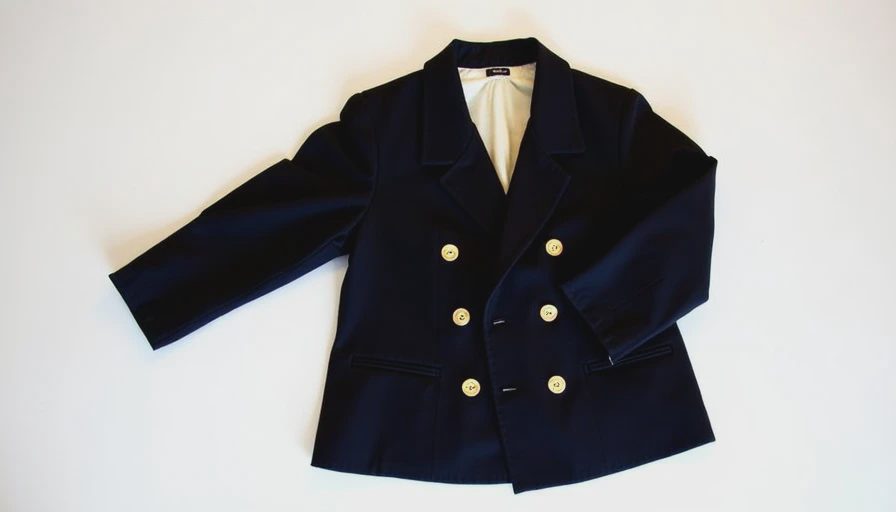
On the flip side, I learned the hard way with a blazer that looked great in listing photos but had hidden shoulder issues. Now I always ask for those specific shots.
Building Trust Online
The vintage community is full of good people. Platforms like Instagram shops, Depop, and Etsy have incredible sellers who photograph honestly and describe accurately.
Take time to build relationships with a few trusted ones. Follow their stories. Save their measurement styles. It becomes easier over time.
When Online Makes Sense
Use online when:
You need a specific size or color that’s rare locally.
You’re looking for a particular era or brand.
Weather or schedule keeps you from in-person hunting.
But never replace the joy of the physical hunt entirely. They complement each other.
Final Thought: Patience Pays
Online vintage requires more patience and due diligence than in-person. But when you get it right, that package arriving in the mail feels like Christmas.
Measure twice (or three times). Ask good questions. Trust but verify.
Your perfect piece is out there — sometimes it just needs a few extra steps to find its way to you.
Every stitch has a story. Some of them travel through the mail with careful measurements and good photos.
What’s your best (or worst) online vintage story? Share below — we can all learn from each other.

No letters yet — be the first to write.